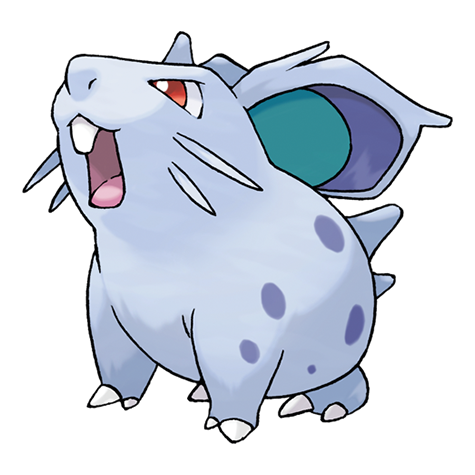
 poison
$NIDORANF
Pokémon #29Deployed by Pokédex, paired with $Pokédex. Same mechanism for all 151.
the vault
The cards behind this entry.
Real graded Nidoran-f cards, tokenized by Collector Crypt, each one backed by the physical card in their vault and redeemable for delivery. Once this entry's treasury can afford one, it pulls a random graded 9+ card from the vault, like opening a pack, and airdrops it to a holder, with odds weighted by holdings.
live stats
What this entry has paid out.
Stats go live with the first trade: fees collected, every card bought and every airdrop will settle on-chain and show up here.
the drops
Cards already sent to holders.
the chart
$NIDORANF, live.
The DexScreener chart appears here the moment $NIDORANF launches, wired to its on-chain mint. Market cap and volume start counting from the first trade.
what happens here
Exactly how $NIDORANF works.
- 1$NIDORANF launches once, on pump.fun.
One coin per Pokémon, forever. No second launch of this entry can ever happen. It is paired with $Pokédex, so every buy routes through the pad's own coin, and its fees exist to buy cards.
- 2Every trade pays a 1% fee, split 70/15/10/5.
Creator fees from every buy and sell are spent on a fixed split: 70% buys cards for holders, 15% buys back and burns this coin, 10% burns $Pokédex, 5% is ops.
- 3The pot opens a pack.
The moment the treasury can afford a graded 9+ Nidoran-f card, it buys one, picked at random among every card it can afford, like pulling from a pack.
- 4The card is airdropped to a holder.
One $NIDORANF holder wins it, odds weighted by holding % and drawn against a pre-committed blockhash. The winner holds the tokenized card, redeemable for the physical, and the whole thing settles as public transactions.